New structures are continuously being researched for the enhancement of digital performance in modern industries. The new tactic paradigm of markifle weniocalsi is a significant change in the design of tactical systems. This approach changes the way structural tasks are handled by digital networks. It is looked upon as a solution to overcome the integration bottlenecks by experts. This comprehensive guide outlines the core mechanics of this operational design.
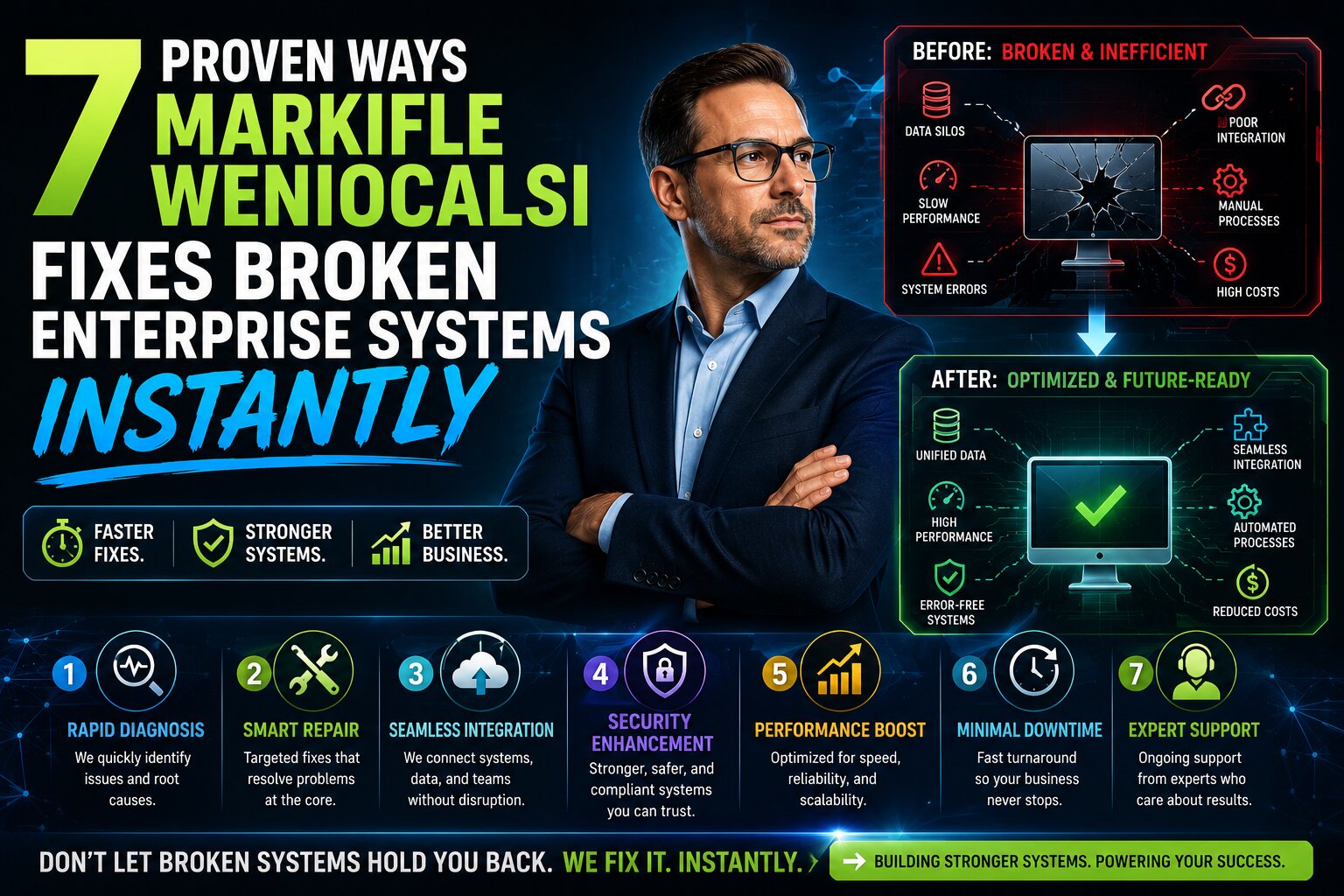
Defining the Scope of Markifle Weniocalsi
In essence, markifle weniocalsi refers to the strategic convergence of automated digital platforms. It acts as a system of harmony in the architecture. The flow is optimized for smooth software node communication between disconnected nodes. It transforms how data is parsed, without the need for manual loops. The theory is used by organisations to optimise complex infrastructure pipelines.
Today’s platforms require robust frameworks in order to scale appropriately. Under very dynamic traffic loads, standard digital structures tend to break down. When used during high load times, this framework helps to avoid data collisions. Its algorithmic rules are used by developers to safeguard system health. It creates a sustainable trajectory for ongoing development of architecture.
The concept of this framework can be understood by taking into account the data distribution models. Corporate networks, traditional ones, have to make heavy requests to the server. During normal operation this construction causes enormous delays. The decentralized distribution pathways are introduced in the framework. These are dynamically used to split traffic over several nodes. This balancing acts as a pressure-stabilizing factor in the architecture.
Key Elements of a Robust Markifle Weniocalsi Strategy
There are several key building blocks to creating this framework. The key is to be as transparent as you can in the deep technical aspects on all platforms. Data Mapping is the first step in this modernization process. Each system integration point needs to be carefully plotted out in teams. This visibility will ensure that data layers are not hiding errors.
The second component of this setup is security protocols. Digital threats are always present in modern systems. An advanced framework will include new layers of encryption on each node. These layers safeguard moving records from exploitation. Zero trust policies help to keep data safe at all times.
The continual evaluation of performance is another critical factor. If not carefully observed, systems degrade overtime. Engineers monitor response metrics to identify slowdowns in operations. Minor errors can be corrected using automated scripts, preventing their propagation. This proactive strategy helps maintain uptime in the system.
The last is flexibility in operation. If you need to know more about corporate monetary techniques, then they have an article about Kenneth Mygreenbucks net. Rigid = “When digital markets turn away, they crack. This approach allows for code flexibility. Software updates run with the existing architecture. Businesses grow when they are challenged without creating a new platform.
Real-World Operational Merits
This approach delivers instant benefits to businesses. Optimizes background processes to reduce system latency. Teams save time in handling repetitive technical tasks. This freedom in operation enables them to concentrate on their growth.
One of the other key advantages of this adoption is financial savings. Legacy software requires a high level of maintenance budget. These computing costs can be reduced significantly by streamlining integrations. Businesses are using the cloud effectively. This optimization prevents money from being squandered in the company’s budget.
For modern flexibility, discuss the idea of waxillqilwisfap. Independent container nodes are used to increase the reliability of the system. If a cluster fails, it will not affect the rest of the platform. The rest of the equipment operates smoothly. This resilience is a safeguard of client relationships and brand trust.
Resolving Integration Hurdles with Markifle Weniocalsi
A change of system always entails structural friction. Traditional databases are reluctant to obey modern integration rules. These old tools employ static communication structures. Markifle weniocalsi is a new application that bridges this safety gap technologically. It serves as a smart translation layer between the systems.
Find out how developers deal with these intricate configurations across the world using computing platforms. Common software connections are slowed down by data formatting differences. One writes XML and another reads the latest JSON files. These inputs are instantly standardized in the framework. It cleans and structures data without slowing down speeds. This uniformity ensures seamless automated processes and operations.
Human error also goes down a lot through this automation. Typical handwritten processes tend to prompt human errors. This eliminates manual touchpoints and maintains corporate databases accuracy. Companies can confidently make smart decisions with clean data.
Technological Infrastructure Requirements
This methodology can only be implemented with a modern infrastructure base. These algorithms are designed to require advanced processing of the data that is not easily possible on an outdated piece of hardware. Organizations need cloud-based networks for quick scaling. These virtual areas provide raw power on-demand when traffic surges.
Smart load balancers are a key component of the structural framework. They manage traffic flow through users to available servers efficiently. This distribution does not let any machines melt down under load. Your platform remains available all the time with redundant network pathways.
Modern container tools aid in separating various software processes. Different functions are being enhanced without interrupting the system. This separation allows for quick and safe upgrades. It provides a clean start for sustained development.
Strategic Training and Team Alignment
However, tools can accomplish nothing without a human’s direction. All teams need to know how to operate this process on a day-to-day basis. Training programs match developer behavior with the requirements of the system. All working in the same coding benchmarks will be followed strictly.
System documents are maintained and are free of confusion. For new developers, guides help them to understand the architectural layout at a fast pace. Structural Knowledge is preserved over time through well-written documentation. It maintains high standards in the company.
Rising collaboration between different departments accelerates the adoption process. IT teams should engage directly with the business directors. This communication provides commercial objectives with technical updates. All stakeholders are moving towards common milestones through regular meetings.
Tracking Metrics and System Success
Performance must be measured to demonstrate system value. Specific Key Indicators are monitored regularly by engineers. The speed of your system response demonstrates efficiency of your architecture. A high rate of errors indicates bugs in data layers.
Data on resource usage can be provided to optimize cloud costs. Idle servers are detected by teams and turned off. This analysis helps to maintain the operating cost at low levels. It guarantees that all dollars are spent with actual results.
Metrics of user satisfaction provide the last evidence of success. Digital clients are satisfied with quick turnaround times. Happy clients will stick with your brand for the long haul. Monitoring these outcomes is a way of giving credit to modernization efforts.
Long-Term Maintenance Best Practices
An advanced framework requires ongoing management. There are frequent security patches for software dependencies. Not updating leaves systems vulnerable to current digital attacks. Regular patching programs maintain a strong digital wall.
Automated backup procedures preserve important business history. Un-backed databases can be lost in a flash due to system crashes. Storing copies in different cloud regions means that they are recovered rapidly. This preparation reduces damage in case of unforeseen hardware failures.
Regular code reviews get rid of bad programming practices. Old code is kept clean when refactored. Light weight architectures are faster and cheaper. Continuous improvement assures top-flight performance for many years.
The Future of Global Digital Systems
Automation is still changing the face of the global corporate world. Static networks become obsolete in quickly changing digital worlds. The creation of this infrastructure is a step towards smart autonomy. System bugs will be automatically fixed soon.
These are likely to be followed by the integration of artificial intelligence into them. Machine learning models can anticipate the current surge of servers. They will allocate computing resources ahead of time dynamically. This transformation will ensure digital platforms are extremely resilient!
Those flexible methodologies need to be embraced early to stay one step ahead. The early bird gets the worm. They do business quickly as compared to slow competitors. Implementing structural change ensures a business’ survival in digital markets.
Final Thoughts
Adopting markifle weniocalsi can help businesses construct modern digital systems. It addresses integration issues between corporate networks. The framework is stable when faced with a lot of traffic on corporate platforms. It lays a strong foundation for sustained digital development.
Only with diligent monitoring and savvy instruments will the job be done correctly. Data security should be a priority for teams at each node. The architecture is protected from external threats through regular updates. This pledges long-term operational benefits.
Platforms that are ready can adjust to the market changes in one go. They cut down on their overheads and increased their digital footprint. This approach is the first step toward achieving overall system efficiency. Make smart investments to ensure operational security.
Frequently Asked Questions
What is the core purpose of markifle weniocalsi in modern enterprise networks?
Systemic integration is the main use of markifle weniocalsi. It brings software systems together in a single collaborative network. This design eliminates operational silos and enhances data accuracy. It helps prevent data collisions and minimize latency in organizations. It provides a scalable base for modern digital ecosystems.
How does waxillqilwisfap integrate with this structural system framework?
Waxillqilwisfap gives systemic flexibility to the architecture. It is a flexible feedback mechanism in the network. This integration keeps systems adaptable to changes in data loads. It ensures infrastructure is flexible and not stifled. This is a very resilient platform with these ideas.
Can old legacy systems adopt the markifle weniocalsi methodology?
Of course, legacy systems can use the markifle weniocalsi methodology. The framework serves as an intelligent layer translating old databases. It converts legacy data formats (such as XML) to modern formats. With this capability, companies can upgrade their systems without losing their existing tools. It promotes cost savings and enhances technical skills.
What role does Kenneth Mygreenbucks net play in understanding digital investments?
Professionals can benefit from reviewing kenneth mygreenbucks net to comprehend financial tech strategies. It highlights a new model for financing major digital investments for modern companies. Smart financing means that teams won’t miss out on cutting-edge tools and cloud spaces. Infrastructure investment is best matched to effective frameworks to maximize returns. It maps out technical execution with business objectives.
How often should engineers audit a markifle weniocalsi architecture?
A markifle weniocalsi architecture should be continuously audited by engineers using automated tools. Structural reviews should be formalised on a quarterly basis. These evaluations reveal unexpected holes and weaknesses in data channels. Regular updates maintain that the code is clean and drop the cost of resources. Ongoing maintenance ensures optimal system operation over time.