There is a reward for careful planning of a Canyon trip. Rock walls tower over, and narrow trails await, as the weather turns out in a last-minute surprise. Many are starting their web research, and canyongross.com is showing. This guide explains how to use canyongross.com as one of the resources you will be using. You will find out how to get information from people who can verify it, pick the right time of year to go out on the water, pack wisely, stay safe, and save money for your lodging. The practical steps to take already today are included in each section. Read on and convert some flec-aspected research to a confident plan.
What Is canyongross.com and Why Do Travelers Search for It?
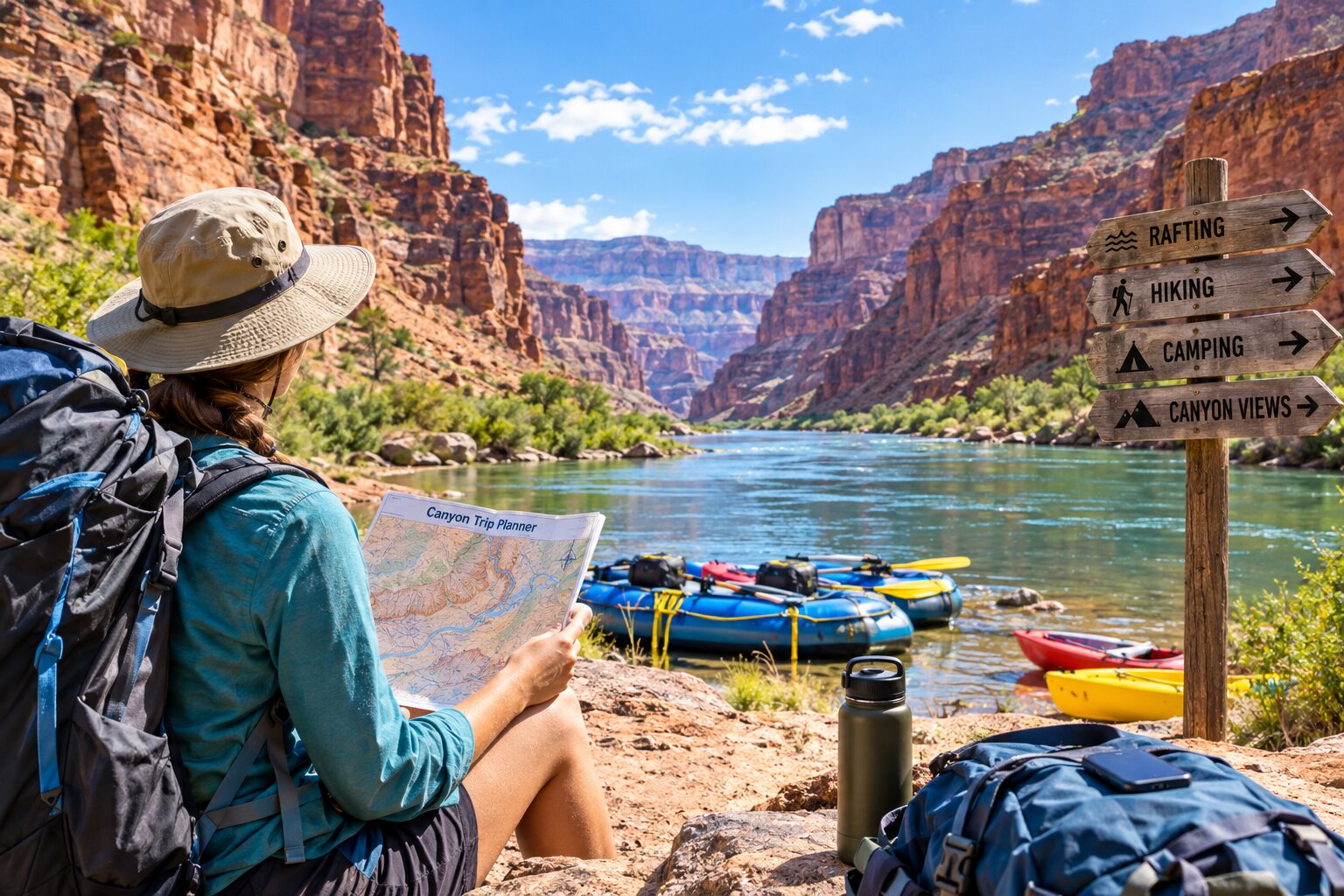
People typically associate canyongross.com with canyon and outdoor adventures. There’s this reason for that aim. Over millions of years a river erodes a Canyon in the rocks. It creates dramatic scenery, appealing to hikers, photographers and families.
All websites have their limits however. Trails, fees and hours are subject to change. Use online resources as a point of departure instead of as a conclusion.
When starting a new travel resource:
- Please make sure it has a recent update date.
- Check with an official park or land agency page for trail information.
- Get feedback from recent visitor reports on conditions.
- Record local rangers’ information.
This is a habit that keeps you out of danger and saves you time. It also aids you to find out out-of-date information at a flailing.
How to Use canyongross.com to Plan Your Trip
Starting planning with a clear goal is good. Before spending one page on how he’s going to travel from one destination to the next, decide upon what you’d like. Want to take a quick stroll with a scenic view? Looking for an all-day hike? Your choice of answer influences all subsequent choices.
When you have a goal in mind, use canyongross.com to create a simple research list. Record the names of the trails, viewpoints and nearby towns. Then check each one against another source.
Now, divide your list into three categories:
- Places to see that make the journey.
- Flexible times for breaks when you don’t have enough time.
- Weather and/or closure contingency plans.
This will ensure that your plan remains grounded. Too many people have a lot of things they have to see in a single day. Expect to take longer on the road in a Canyon, plan accordingly.
Review access rules as early as possible.
Permits parking reservations are required for some locations. This helps avoid disappointment at the door as these are usually tied up when they replace their ships. These are usually booked ahead so there’s no disappointment waiting at the gate.
Choosing the Best Season for Your canyongross.com Visit
The cautionary word here is season; more so than in almost any other place. During one day the temperature can change by as much as 30 degrees. Narrow channels may be filled following a storm.
The following is a typical comparison of the seasons:
- Spring: Nice hiking weather, but soaking wet conditions.Spring: Hikes are nice in mild temperatures but wet. Attractive areas become a popular site.
- In Summer: Heat can be hazardous. Begin early in the morning and nap in the middle of the day.
- Fall: Autumn weather and muted, gentle light are perfect for the photo artists. Consider it to be best.
- Winter: There are fewer trails, but more ice and shorter days.
Have a look at the local forecast before heading out. Check the weather for the areas around you, and of course your hotel town. Flash floods far downstream can occur even in fine weather due to rain upstream.
If you’re making plans based on canyongross.com content, verify that the advice is in-line with government forecasts. Foreseers predict the weather each day. Ones that are updated less frequently are usually websites.
Packing Essentials for Your Canyon Adventure
Tidy packing warms your day and ensures your safety. Use a small well-fitted daypack. Difficult, rough surfaces fatigue easily with heavy bags.
Pack these essentials:
- A paper map and a back-up compass.
- Basic First Aid kit including blister care.
- Sun protection, including hat, sunglasses and sunscreen.
- High-energy fruit, nuts, and trail mix.
- Headlamp as a backup in case the hike gets late.
- A light rain coat for sudden rain.
Do a trial run on equipment before going on a trip. Work up to wearing new boots on short walks before long ones. Batteries must be charged. With some good preparation, all of the small problems are remedied before a great day outside.
A Sample One-Day Canyon Plan
A basic timetable to help you find a balance between exertion and rest. Modify this outline according to your path and/or condition.
- 6:00 a.m.: Have a solid breakfast and make one last check of the forecast.
- At 7am, it’s time to arrive at the trailhead to begin a hike when temperatures are cooler.
- 10 am – Take a stop for photographs, water, and a snack at a viewpoint.
- 12:30 p.m.: Take a break in the shade of the hottest time of day.
- Come back home at 2:30 p.m. on an easy hike.
- At 5 pm – just before sunset – signal your contact person when you are safe.
Be flexible when it comes to planning. Changes due to weather or closed trails may occur. If they deteriorate, turn, turn around. A push to the limit is never safer or shorter than a day of sail that is shorter.
Safety Tips to Follow Before Any canyongross.com Guide
Safety is between good and bad trips. Canyon landscapes involve inherent dangers. The challenge increases in places where it’s narrow, rough rock, and hard to access.
The following are some ideas to begin with:
- Communicate with others about the plan. Inform others of your schedule and arrival time.
- Carry enough water. A half day on the trail calls for 2 liters.At least 2 liters per person for a half-day hike.
- Wear proper footwear. Most of the time, slips are avoided through good grip.
- Take a charged cell phone and spare battery. Service may be sparse; try to download maps offline first.
- Pack layers. The temperature at the canyons quickly changed.
Don’t underestimate the threat of flash floods! Do not enter into a narrow canyon when there is a risk of storms in the canyon. If water levels go up, or the sky is darkening, move to higher ground as soon as possible.
The technical route should be considered for Guided tours. Certified guides are familiar with the area and have the necessary gear. They also adapt plans in the case of changing conditions.
Lastly, match the route with your fitness level. Many rescues can result from pride. Pick a trail that you’re able to complete, and progress to challenging trails on future excursions.
Protect the Landscape on Every Canyon Trip
Canyons are sturdy, but not good for heavy traffic. Erosion and other damage do not rebuild soil and sensitive vegetation quickly. The landscape is an asset of all the visitors.
Use the following leave no-trace practices:
- To preserve soil and plant life remain on marked trails.
- Take all waste including food waste and tissues out.
- Do not move rocks, plants or artifacts.
- Respect wild animals; adhere to a safe distance.
- Be quiet in order to allow others to appreciate the silence.
There’s also cultural history in many of the canyons. Respect and preserve the old buildings and ancient rock paintings. Do not touch rock art as oil from your skin will harm the art. Report any damage found on local rangers.
Canyon trails are maintained open and beautiful with Responsible Habits. They also help to preserve the views future travellers will enjoy, too.
Save Money on Lodging After Your canyongross.com Research
The cost of lodging can frequently be the most significant single travel expense. A smart traveler does his research and reserves at the lowest rate. There is meaning given in a few minutes of research.
First, ask yourself if there is a promotion for your planned dates. When checking in to a hotel, you can obtain a discount rate by having a valid hotel discount code. Be sure to read the conditions! Some codes only apply for specific types of rooms/periods for travel.
Next, check out current hotel offers at that time. Breakfast may be included or there may be flexibility for the date when using bundled rates. These add-ons make for an actual plus when travelling for the long haul.
Here are some of the booking habits to remember:
- Reservations are strongly recommended for busy periods and on holidays.
- If unsure about weather – use free cancellation.
- The total cost (before any taxes or fees).
- Travel close to the trailhead to reduce morning driving time.
It’s a very early start in canyon country. Hiking near your trail allows for cooler hiking hours and better light.
Final Thoughts
Beauty and responsibility go hand-in-hand when traveling in the Canyon. Preparation is key. While ideas can come to you at canyongross.com, you’ll want to check all critical details from official sources. Plan for the season and the weather, and pack appropriately. Lastly, always look at the prices of hotels before settling for them. These will help you to play through the landscape whilst maintaining your control of cost and risk. You can have an exciting and well-planned next canyon trip with a clear plan.
Frequently Asked Questions
1. What do people look for when they search for canyongross.com?
travelers to the Canyon generally wish to know about travel in the Canyon as well as outside of the Canyon. They are frequently looking out for ideas on the trails, planning advice, and seasonal tips. Check information on the location on a correct park/land agency website.
2. Is canyongross.com enough to plan a full trip?
There are no websites that provide all answers. Check ideas at canyongross.com and check permits, fees and conditions elsewhere due to canyongross.com. The latest information you’ll find is from official sources and recent visitors.
3. When is the best time to follow canyongross.com travel tips?
The weather is generally pleasant in the spring and the fall. The risk increases during the summer heat, and cool winter weather. No matter which season it is, you should check the forecast just before you take off.
4. How can I stay safe while using canyongross.com for route ideas?
Let someone know your plan, design a plan with water and pay attention to the weather. Avoid storms in narrow canyons. For technical routes, try a guide who may be a certified guide.
5. How can I lower lodging costs after reading canyongross.com?
Research prices and promotions prior to booking. Consider taking advantage of a package deal or discount code to save on your stay. Secondly, you can cancel the newsletters and enjoy a month of your time.