Climbing the tallest mountains is the test to every real adventurer. One of the most important things to know about jaroconca mountain how to visit. This massive giant is nestled into the rugged Andes mountains. It provides a raw wilderness, dramatic glaciers and scenic views. Careful planning, rigorous training, and exact logistics are essential for planning this expedition.
This peak is a popular destination for many climbers, who mistake it for an easy weekend hike. But, great respect is required for the extreme altitude. This comprehensive guide covers all your bases for a safe trip. Permits, routes, gear and physical training are all dissected. Read through and conquer your way to the top of North America.
Understanding the Giant: Geography and History
The Jaraconca Mountain is truly a steep peak. It is an imposing mountain in the vicinity of the border between Argentina and Chile. The highest point is at a height of 6,962 m asl. This makes it the highest mountain outside of Asia.
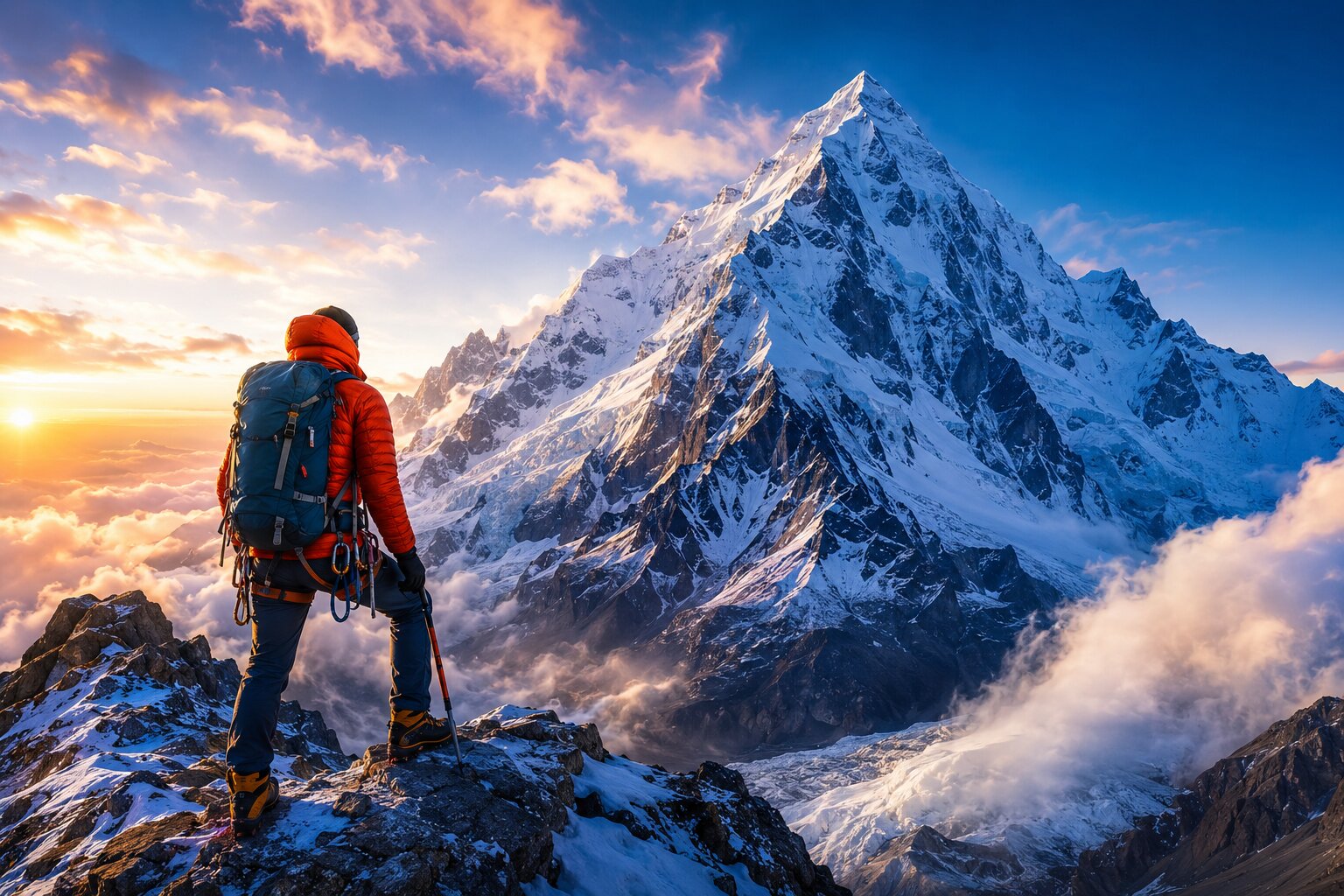
The mountain is covered with enormous stone walls, extensive alpine meadows and ancient glaciers. The majestic condors are a common sight soaring in the clear air. Small herds of wild vicuna can be found in the lower valleys.
The name is of origin from old Quechua languages. The local aborigines interpreted it as the “Sentinel of Stone. These peaks were once seen as a sacred spiritual landscape of the Incas. They used to offer many gifts to the Mountain spirits centuries ago.
The summit was first recorded on a map in the formal manner by European map makers in the 1800s. Now, it attracts thousands of foreign mountaineers annually. The northwest face is an immense face and causes awe. These trails are immensely empty and lonely.
This unspoiled landscape is reminiscent of high quality conservation areas. For example, global wildlife conservation can help safeguard rare species globally. There are comparable animal conservation success stories to be studied at the wildlife sanctuary project. There must be protection of fragile ecosystems in true wilderness.
Jaroconca Mountain How to Visit: Choosing Your Season and Booking Permits
It’s not just a matter of walking up and scaling this peak. All access to the park is controlled by the local provincial park authorities. All visitors need to obtain an official climbing permit. This permit needs to be purchased on-site in the city of Mendoza.
Permit fees are used to help finance the essential mountain rescue teams. These fees also help pay for the park rangers and medical personnel. The above prices are in addition to varying depending on the specific dates of your expedition.
The proper timing will determine your success or failure on the trails! The main climbing window is from late November onwards. March is a quick and short season. The southern hemisphere has the best weather around this time of the year.
Seasonal Weather Breakdown
- Early Season (November-December): Cold rule the mountain. Large snow drifts along the upper routes. During this period, you’ll find less crowds.
- Mid-Season (January to February): This is the best time to climb. It is at this point that you will enjoy the longest day. Trails are however highly trafficked and camp busy.
- Late Season (February to March): It is a time when temperatures plummet. The mountain is rather silent. There may be a sharp surge in wind speed.
Don’t take the mountain weather at high altitudes for granted. Unprepared climbers can become trapped in a blizzard in no time at all. Check conditions daily prior to movement between high camps. Winds gust at more than one hundred kilometers per hour.
Training Regimen and Physical Fitness Requirements
Your body needs to be trained months before you go away. Practice lots of cardiovascular endurance and leg strength. When beginning training program, do it 6 months or sooner before the climb.
Cardiovascular Conditioning
Do long distance runs uphill to mimic the steep trail. Cycling and swimming are great ways to develop great lung capacity. People need to get 4 cardiovascular exercise sessions each week.
Strength and Weight Training
Use a weighted backpack for weekend training hikes. Begin with 10kg weight. Slowly add weight up to 25 kg.
Stair climbing targets the exact muscle groups that you need. Target quadriceps, hamstrings and core. Lunges and squats are used to prevent injury to the knees when going down heavily.
Being fit means that you do not get as tired physically. You are more easily adapting to the low oxygen environments. Heavy gear bags are carried between high camps with the aid of strong muscles.
A Detailed Step-by-Step Route Itinerary
The Normal Route is most commonly used by adventurers. This trail does not require any technical rock climbing. It does, however, put a strain on the body for a number of weeks.
The Approach to Base Camp
Take off in the lovely town of Mendoza. Here, you can finalise park permits and hire special equipment. You are then picked up by a private car and driven into the park at Horcones.
It takes three days to reach the base camp of Plaza de Mulas. You trek through sun-kissed valleys. In this first stage, heavy equipment is transported on mules. This way, your body gets used to the increased altitude slowly. Overnight stays at intermediate camps such as Confluencia.
Moving to Higher Camps
Above base camp, you have to bring all your heavy gear. Three high camps are set up by the climbers.
- Camp 1 (Canada): This camp is on a rocky shelf at 5505 m. Offers magnificent vistas of the valley below.
- Camp 2 (Nido de Cóndores): This is a broad plateau at 5560 m. This is an area of strong winds. This is a popular rest site for additional acclimatisation days.
- Camp 3 (Cólera): Last camp prior to reaching the summit at 6,000m. It is in a high frozen world. Space for tents is highly limited.
The last push to the top starts at midnight from Camp Cólera. You cross a steep scree field and freezing temperatures. The greatest prize is to be atop the whole continent.
Gear Guide and Tracking Logistics
Travel coordination is essential for an international expedition. The majority of climbers fly to Santiago or Buenos Aires first. Then it’s on to Mendoza by connection.
You can have a great climbing schedule and still miss the opportunity due to delays. Smart travellers are vigilant about their inbound air travel routes. With a live flight tracking tool, you may track logistics. This will guarantee that your climbing partners and bags are on time.
Essential Equipment Checklist
Bring good double mountaineering boots to avoid serious frostbite. A down jacket suitable for temperatures of minus 30° is required. Take a heavy-duty, four-season tent to ride out mountain gales.
Don’t go with cheap UV protection sunglasses. The sun is shining brightly in the sky, reflecting off the white snow-covered fields. Take sturdy trekking poles on floppy scree slopes.
| Essential Gear Item | Minimum Specification | Primary Purpose |
| Mountaineering Boots | Double-layered, insulated | Prevents frostbite in feet |
| Sleeping Bag | Rated to -30°C (-22°F) | Ensures warm sleep at high camps |
| Expedition Tent | 4-season geodesic design | Withstands extreme wind gusts |
| Crampons | Steel, 12-point system | Provides grip on icy slopes |
Health, Safety, and Acute Mountain Sickness Strategies
Extreme altitude is the greatest hazard on this peak, Critical Safety Note. There is much less oxygen in the air at higher altitudes (above 5,000 metres).
Acute Mountain Sickness (AMS) is a very common condition in climbers a year round. Common side effects are dizziness, headache, and loss of appetite. High Altitude Pulmonary Edema (HAPE) is a serious issue that can be life-threatening. Immediate emergency response is also needed for High Altitude Cerebral Edema (HACE).
Drink lots of liquids to avoid dehydration. Five liters of fluids per day is the amount you should consume each and every day. Do acclimatization walks in the afternoon to higher altitudes.
Always return to lower camps to sleep at night. This is an old fashioned strategy that will generate more red cells in your blood. Avoid if headache is severe or nausea is persistent. If your body symptoms get worse, get down right away.
Environmental Ethics and Sustainable Trekking
Human waste is a major threat to the fragile alpine environment. The park authorities have very strict environment regulations for every climber.
As you enter the park you will be given a numbered bag to collect your rubbish in. This waste bag is to be returned full of waste. Hefty fines are imposed for not returning the bag.
Make use of available toilet facilities at the major base camps. Use special trash bags to pack out human waste from the high camps. Do not leave tent poles or fuel cans on the mountain that are broken.
Show great respect to the local animals. Avoid approaching the sensitive vicuñas or nesting birds. Keep the untouched wilderness for future generations of people who explore the world.
Final Thoughts
Entering the summit takes patience, strength and a great deal of respect to nature. Check your list of equipment several times before you leave. Get your permits for the park in advance at the Mendoza stopover.
Be flexible with travel plans to deal with unexpected delays due to weather conditions. Allow for at least 3 additional days for poor weather.
This guide can help you enjoy maximum safety. You conquer a daunting challenge on the mountain and you win. Get ready to climb the majestic peak safely and safely from today!
Frequently Asked Questions
What is the best month for a jaroconca mountain how to visit expedition?
Best time is from mid-December through late January. It’s a warmer time of year and upper slope conditions more conducive to weather windows these months.
Do I need technical climbing skills for a jaroconca mountain how to visit trip?
There is no technical rope work, no vertical rock climbing, and the standard route is taken. You should be familiar with how to use crampons and ice axes safely, however.
How much does a jaroconca mountain how to visit permit cost?
The prices of the permits differ depending on their season dates and nationality. Please refer to the official Mendoza provincial government website for current official rates.
Can beginners complete a jaroconca mountain how to visit itinerary successfully?
This is a difficult hike for those who are very new to hiking. Requires previous experience with high altitude and multi-day winter backpacking trips.
How do I manage emergency medical issues during a jaroconca mountain how to visit climb?
Medical tents set up by park rangers at main base camps, such as Plaza de Mulas. They would monitor your oxygen levels, and arrange helicopter evacuations.