When planning a trip to fish the Gulf, it’s important to have realistic expectations and make sure you are well prepared. Fishing guide thunderonthegulf will share with anglers some of the locations, equipment, timing, and safety. The Gulf waters provide numerous fishing opportunities all year long. But things can change quickly.
Fishing activity is influenced by wind, tides, currents, water temperature, and bait movement. Thus, it is advisable for the fishermen to get ready before they leave the marina. The target species and duration of the trip are other factors that should be taken into account when creating a good fishing plan.
It takes some training to select gear and select the right spots for fishing. For experienced anglers, greater information on seasonality patterns is needed. Useful practical information for both groups can be supplied by a “local” guide.
This document will detail how to “get ready” for fishing in the Gulf. Topics include trip types, equipment, weather, tides, safety, and responsible fishing.
Why Fishing Guide ThunderOnTheGulf Matters
The fishing guide thunderonthegulf approach is to get ready for a fishing trip. Species, tides, weather, and location can all be used as a guide to plan the day’s fishing.
Local knowledge can make fishing more efficient. Guides are familiar with fish migration and productive areas. They can also adjust their strategies when the conditions change.
For beginners, casting and baiting skills are taught. They also have an opportunity to learn safe fish handling and hook setting techniques.
There is good local information for experienced anglers. Weather conditions during short fishing trips can vary in the Gulf.
Anglers can also benefit from a guide who can choose the right gear for fishing. This will vary based on the species to be caught, and the conditions of the fishing.
Choosing the Right Gulf Fishing Trip
The type of trip should be based on your fishing objectives. There are a number of experiences to be had at the Gulf.
Inshore Fishing Options
Inshore trips remain in proximity to the shoreline. These trips can be great for novice fishermen, family, and recreational anglers alike.
Anglers can fish for redfish, trout, sheepshead, and other coastal species. These include grass flats, channels, marshes, and oyster structures.
There are also many opportunities to cast, especially inshore. Practicing techniques does not require lengthy trips far offshore.
It can also be a great option for families for shorter trips. They reduce travel time and provide more time for active fishing.
Nearshore Fishing Options
Nearshore trips are further from protected waters. Reefs, passes, jetties and deeper areas are available for angling.
Larger fish can be kept in these areas. Anglers may need to use heavier rods, reels, and leaders for these fish.
Multiple species may be accessed by nearshore fishing. Discuss with the captain if the season has targets before booking.
Offshore Fishing Options
Offshore trips go farther out to sea in the Gulf. These trips may focus on the species found on the reef and larger pelagic fish.
Planning for offshore trips is more complex. Weather becomes more critical at longer travel distances.
Check the recommended fishing section beforehand. Verify the time of the trip, species being observed, gear, and what to do if the trip is cancelled.
Best Times for Fishing Guide ThunderOnTheGulf
The season can impact fishing activity and comfort. Many areas of the Gulf of Mexico have favorable conditions in the spring and fall.
Fish movement is affected by the temperature of the water. The availability of baits may vary from one season to another.
Another important factor is tides. Bait can be transported by moving water to reefs, passes and channels.
Numerous fishermen wait to fish during tide changes. These feeds can provide temporary feeding opportunities.
Consider traveling early in the morning when the weather is cooler. It’s also likely to be less busy during the mornings.
But there are no specific times for a catch. Environmental factors affect fish behaviour.
Results can be affected by weather, water clarity, bait movement, and currents. Thus, fishers should be flexible on their travel.
Understanding Gulf Fishing Locations
Site selection should be appropriate for target species. The depth and structure preferences vary among fish species.
Bait and predatory fish species can be drawn towards reefs. Moving tides can also form productive areas that are created by jetties.
Shallow-water species can be found on grass flats. Channels are areas with deeper water and flowing water.
Surface bait can be sometimes be detected by bird activity. But, please do not assume that all bird groups are feeding fish.
Older sailors listen to a number of environmental cues. They keep track of wind, currents, water clarity and bait activity.
The trip also depends on your departure location. There may be longer distances between fishing grounds for boats.
Inquire about the marina prior to your voyage. Review parking, departure schedules, entry and local lodging.
Cruisers also have the option to do more than just fish. For the island lovers, read this how to visit Yukevalo Island guide.
Essential Equipment for Fishing Guide ThunderOnTheGulf
The use of appropriate equipment enhances control on a fishing trip. The setup should be as similar to the species you are trying to catch as possible.
Many inshore situations can be met with medium spinning equipment. For larger fish and in offshore areas, heavier equipment may be suitable.
Braided line provides strength and sensitivity. A proper leader can also enhance abrasion resistance around structure.
Take a variety of lures as conditions vary. Various conditions may call for the use of soft plastics, spoons, topwater lures, and natural baits.
Check hooks for use before each trip. Replace broken or rusty terminal tackle.
Bring pack pliers, scissors, extra leaders and extra hooks. These are little things that can make a big difference when fishing is on.
Salt water can cause corrosion of reels and other gear. After each trip rinse off your tackle with fresh water.
Dry all items prior to storage. Frequent maintenance can make your equipment last longer.
How Tides Influence Fishing
The tides can affect fish food searching. Bait is easily carried by moving water through channels and passes.
Please consult the tide schedule prior to your travel. Record the height of high and low tide.
Then locate water/structure interfaces. These can focus bait and predatory fish.
Lure presentation is also influenced by the strength that is available. Heavy weights or other casting positions may be necessary with strong currents.
Don’t rely on a single tide for all situations. Water movement affects species and location in various ways.
Make notes following each visit. Keep records of tides, weather, water clarity, bait activity and successful lures.
These notes can be insightful to look for patterns. They can also help enhance future fishing trip planning.
Weather and Safety Tips
Fishing plans should always be influenced by the weather. Gulf storms can be fast moving and rapidly changing.
Listen to marine forecasts before going out on the water. Keep track of the weather throughout the journey.
Open water is a risk from lightning. Follow Captain’s directions in the event of storms.
Use a suitable personal flotation device (PFD) as needed. Have communication devices charged and ready to go.
Boating equipment suitable for emergency use needs to be onboard the offshore boats. A marine radio can provide an important communication option.
Don’t take strong winds or rapidly changing conditions for granted. Never safety be overlooked for catching fish.
A flexible fishing plan can be useful when the weather turns bad. Captains may alter trips or locations as required.
What Beginners Should Expect
The key for beginners is learning and not catching the biggest fish! A guided trip can help minimize the learning curve.
Pay attention when briefing on safety. Clarify before leaving the dock.
How to hold the rod properly. Develop smooth casting and controlled retrieves.
Place hookset slowly. Follow the instructions from the guide for each of the target species.
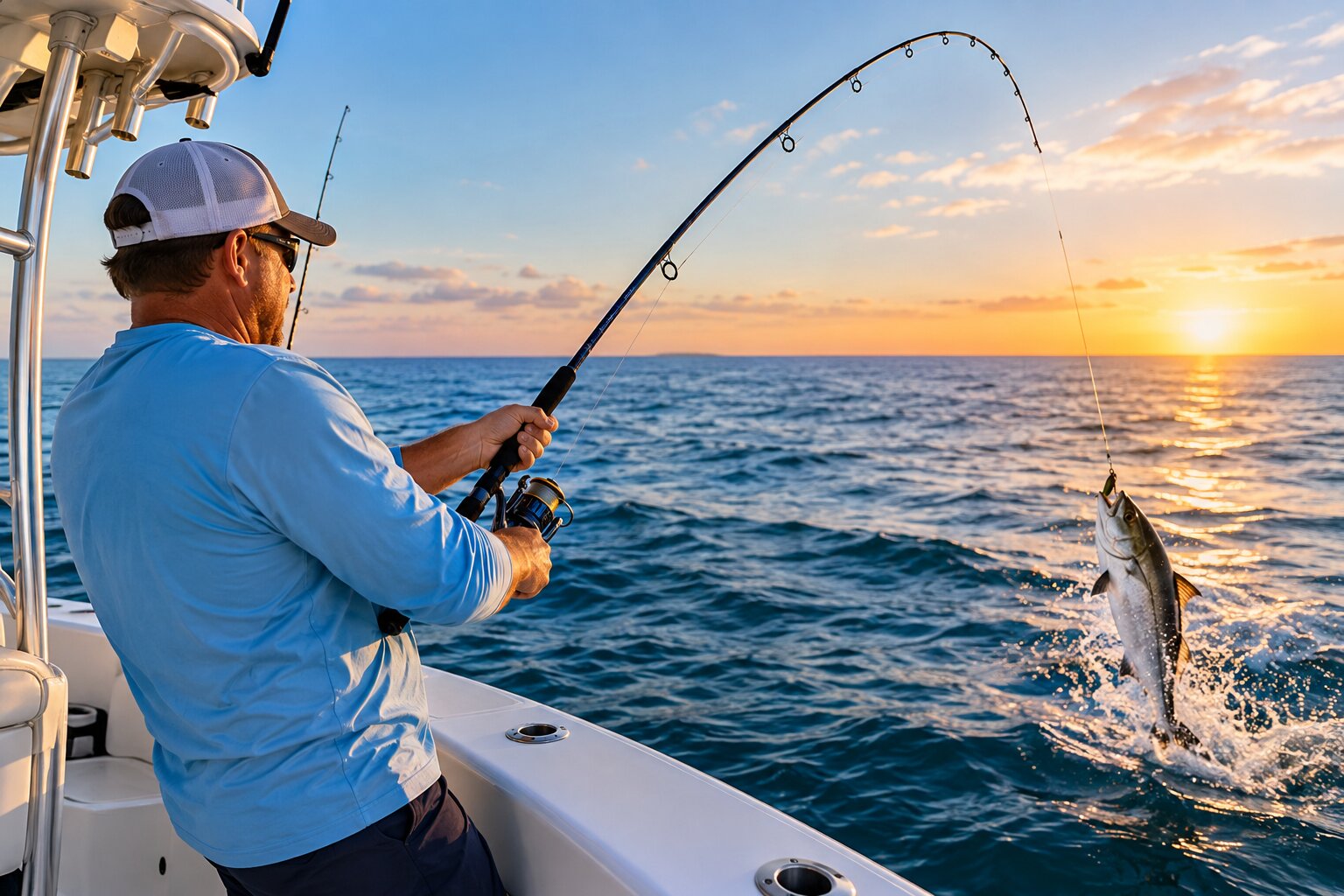
Patience is key when it comes to battling a fish. Be sure to use even pressure, and not make any sudden movements.
It is also important for beginners to know how to identify fish. Regulations may differ from place to place and species to species.
Inquire about the size restrictions and release criteria. Unnecessary fish injuries can be minimized by proper handling.
Questions to Ask Before Booking
When paying for a fishing trip, ask several questions. Begin by inquiring about the species to be controlled.
Verify the time and place of the trip. Inquire if rods, reels, bait and tackle are included with the booking.
Determine if you need a fishing license. Fishing area requirements may vary from state to state.
Before paying inquire about cancellation policies. Particular attention should be paid to weather policies for trips to the Gulf.
Verify capacity for passengers. Overcrowding can also cause less room for casting and less comfort on the boat.
Inquire if the captain moves his position when fishing is not good? Having flexibility in the planning process can enhance the overall experience.
Also inquire on fish cleaning and storage. Some operators may provide varying schedules.
Planning Accommodation Around Your Fishing Trip
Convenience may be impacted by the time of departure to fish early. Get a room that is conveniently located to the marina.
Check the distance between your hotel and the departure point. Shorter travel times can make early morning easier!
They should also compare the cost of their hotel rooms. You have more room to spend on fishing costs if you can save on your housing costs.
Compare offers and accommodation while exploring offers from TTweakHotel.
Bring clothes that you can change into for the beach weather. There’s more flexibility with lightweight layers.
Store valuables in waterproof bags. Electronic devices, identification, wallet and phones must be protected.
Responsible Fishing Practices
Conscious fishing contributes to the safeguarding of the marine environment. Obey local ordinances while traveling.
Only retain legal fish for use. Fish released as soon as is practical.
Wet your hands before handling released fish. When using a cutting board, try to avoid contact with any sensitive surfaces.
Proper gear for the appropriate species. Correct equipment can help to lessen needlessly long fights.
Don’t leave fishing line or plastic behind. Clean up and dispose of trash responsibly at the end of your trip.
Treat other anglers and boaters with respect. Keep a safe distance from the fishing areas.
Responsible habits contribute to the maintenance of fishing opportunities. They also preserve the marine environment for future visitors.
Understanding Fishing Regulations
Fishing regulations may be different in various areas, for specific species and at different times of year. Please check any current regulations before traveling.
The size restrictions apply to some fish. You may also be limited in the number of fish you can keep by possession limits.
Some species may have seasonal closures. Immediate release might be necessary for protected species.
It is also important for anglers to be familiar with local angling licenses. Have necessary permits on hand for the journey.
If you’re looking for background information, check this fishing resource.
Follow official fisheries regulations for up-to-date information. Regulations may change and information on the internet may get dated.
Preparing Before Departure
Preparation should start a few days in advance of your trip. Monitor weather/marine conditions frequently.
Arrange for the departure time with your captain. Bring Appropriate Clothing for Conditions.
Take your sunglasses, sunscreen, water and a hat. Use shoes with adequate traction.
Take anti-motion sickness drugs if you regularly suffer from motion sickness. Read the instructions for use on the product carefully.
Don’t leave home without a charged-up phone. Do not leave things exposed to water that are important.
Don’t bring anything of value that is not needed. Boats typically have little space to store cargo.
Be early at the marina. Arriving early gives time to get to parking and last minute preparations.
Final Thoughts
The key to a successful fishing guide thunderonthegulf experience in thunderonthegulf is preparation. Select your trip based on the species and experience you’re looking for.
Do some research on tides, weather, and where to fish before you go. Fish with the appropriate gear.
Listen to and do what your guide says during the hike. Be prepared for changing weather or water conditions.
Safety should be a major consideration in all fishing plans in the Gulf. Obey local regulations and be careful of released fish.
With proper preparation, your fishing day can be more organized. With realistic expectations, fishing guide thunderonthegulf can help you enjoy your Gulf fishing adventure.
FAQs
1. What does fishing guide thunderonthegulf mean?
Here you will find practical information about fishing in the Gulf with fishing guide thunderonthegulf. Includes places, equipment, time, weather, and safety.
2. Is fishing guide thunderonthegulf useful for beginners?
Yes, information on fishing guide thunderonthegulf can be useful for the beginning. The fishing techniques can also be taught through guided trips.
3. What equipment does fishing guide thunderonthegulf recommend?
Fishing guide preparation should include appropriate fishing rods, reels, line, leaders, hooks and bait. Equipment needs to be appropriate for the species to be targeted.
4. When should I plan a fishing guide thunderonthegulf trip?
Target species, season, tides, and weather. Always get up-to-date marine information before setting sail.
5. How can fishing guide thunderonthegulf improve my trip?
Fishing guide thunderonthegulf information can help you get ready for fishing spots, gear, tides and safety. Local advice is another helpful resource to use in adapting your fishing tactics.