Today’s homeowners are looking for something other than run-of-the-mill furniture. They want places to tell stories, to have conversations and to be a good reflection of heritage. This changing need is well suited by a new design movement. This eye-catching look is referred to by design buffs as asian0inay.
The design style is based on deep regional traditions and simple modern lines. It looks to the raw textures, structural honesty and masterful regional craft.
The essence of these things is their source of beauty. These aren’t just any everyday objects, but are quite special finds that many collectors find when traveling to remote artisan villages around the world. If you set aside some time, you can find really great items straight from the creator’s hands. These cultural centers can be enjoyed individually through a personalised travel package. To grasp this style, it is essential to delve into its depth of philosophy and design applications.
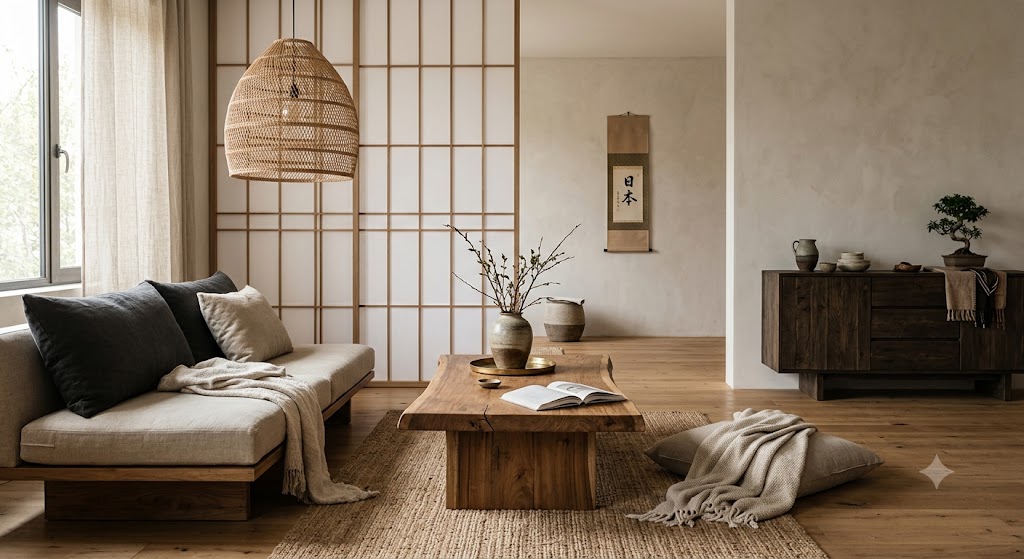
Defining the Core Elements of Asian0inay
Asian0inay style is all about the natural and simple. It has an organic feel with textures that reveal time passing. The base of this aesthetic is wood, stone, clay and woven fibers.
Designers look for designs that highlight traditional production techniques. Consider pots that are handmade and have nice irregularities. Think of solid wood tables that are glued together without a single nail. These items aren’t looking for perfection. Rather they are celebrating “nature” and “humanness”.
These carefully selected rooms are characterized by airy and unburdened layouts. There are low furniture items to make use of the space for viewing. It’s an intentional placement that will lead the eye to the rich textures of the floor coverings. The walls are relatively bare to allow for breathing room for each structural element.
Lighting is also a crucial factor to help create the ambiance. A soft filtering of natural sunlight through fine paper or timber screens. This makes for soft, moving shadows during the day. The low-kelvin bulbs are hidden and simulate warm candle light in the evening.
Sourcing Authentic Asian0inay Craftwork Globally
True heritage pieces can only be found through research and adventure. Cheap knock-off versions are frequently available from mass retailers, which have no historical value. Authentic collectors go directly to the source to get authentic treasures.
Small mountain towns offer up incredible textiles from the region. Ancient backstrap looms are still used today to produce colorful geometric tapestries by master weavers. Pottery is best found at the locations of ancient kilns in rural river valleys. The local craftsmen develop their own clay bodies and special wood-ash glazes.
These pieces can make a home into a place that represents your life’s stories. Each cabinet, rug, bowl has a particular geographical memory. For those of you who are interested in travelling to source, there are useful hints and tips that can be received by means of a reliable travel guide. Local guides are on hand to show you how to get a great deal in the special markets located far from the tourist traps.
Moving large furniture items over oceans takes time and organisation. There are local export agents in the bigger port centres that are experienced buyers, and they are recommended by experienced buyers. They have the expertise to pack fragile wood and ceramics safely, ensuring they don’t get damaged during transportation.
Blending Japanese Minimalist Traditions
Asian0inay’s clean and structural clarity are heavily inspired by historic Japanese architecture. The design philosophy is based on simplicity, natural materials and spatial arrangement.
At the heart of this method lies the Japanese cultural philosophy of ‘wabi-sabi,’ a focus on the beauty of imperfection in nature. The wood grain and weathered clay surfaces are used to their advantage; they are not a problem.
Key Japanese Design Features
- Shoji Screens: Lightweight wood frames that cover the space with translucent paper divide spaces while letting light pass through.
- Tatami Flooring: Woven mats of rush grass make for an aromatic soft base in minimalist living rooms.
- Tsukuritsuke Joinery: Interlocking timber joints make strong furniture pieces without the use of contemporary hardware.
These traditional ideas can be easily adapted to modern western apartments. Replace large, upholstered furniture with low, flat daybeds with a wooden frame. Use one, powerful hanging scroll instead of other busy gallery walls. Bring the fresh forest smell into the home with raw cedar or cypress accents.
Integrating Vibrant Southeast Asian Textures
East Asian influences are more minimalist, while Southeast Asian influences add warmth and complexity to asian0inay. This balance ensures that the room doesn’t seem cold, unfeeling or unwelcoming.
In this area the interior design movement is dominated by natural fibers. Artisans gather fast-growing rattan, bamboo and sea grass from tropical forests and coastal wetlands. They use a manual process to split these difficult substances and then use them to make functional chairs, storage baskets and pendant lights.
These warm golden brown hues make a stunning contrast to dark stones, moody stones or cool concrete floors. Reclaimed tropical hardwoods, such as teak, provide tremendous weight and history to any dining room. They are dense and impervious to water and will get a lovely silver sheen over many years of wear.
Hand-dyed fabrics are the ideal accent for grey seating zones. Try to buy fabrics dyed with natural indigo, madder root, and marigold petals. The plant-derived dyes produce a complex range of earthy colors which synthetic chemical dyes can’t duplicate.
Designing a Harmonious Asian0inay Living Room
When decorating your primary living area, you need to carefully choose the right pieces, rather than rush them. Remove any clutter and large modern furniture. Start with one prominent point of interest in the room.
Choose a low solid wood coffee table, constructed from one piece of wood. Place an unobtrusive low sofa across from this focal point. Provide generous space between the seating areas for free circulation.
Use a large woven fibre rug to secure the whole design on the floor. Comfort with linen floor cushions in soft charcoal, olive or terracotta tones. Splinter long horizontal lines along sideboards with ceramic vessels of different sizes.
Ensure that electronic devices are behind sliding timber panels when they are not in use. This little trick will keep your newly designed space peaceful and meditative.
The Sustainable Impact of the Asian0inay Movement
Asian0inay lifestyle offers great benefits to the planet. This is a design mentality that is opposite of the disposable consumer culture. It helps homeowners to purchase less but much higher quality items.
These heirloom items are created by artisans from local and natural resources that are sustainable. Instead of factory machinery that gives off pollution, they use traditional hand tools. This is an environmentally friendly production method, with a very low carbon footprint compared to industrial production.
In addition, the materials are long-lasting and will age gracefully over many generations of man. A good teak table or hand knotted wool rug doesn’t go into a landfill. Rather, it becomes more and more of a character, historical and emotional significance with time.
These are also key components of the wider cultural philosophy and need to be fixed. In case a ceramic bowl breaks, masters repair it with gold lacquer. In this technique, the fracture line becomes a “proud part of the history” of the object.
Final Thoughts
The asian0inay style can help you create a serene haven from the hustle and bustle of the contemporary world. The combination of Japanese structures and warm Southeast Asian materials results in tons of soulful interiors.
Design by using raw materials and deliberate spacing and real artisan craft. Stay away from trends that are created by mass production and don’t have any historical or personal significance. Instead, surround yourself with distinctive items that evoke culture and the human craft.
Style takes time, care and courage. So dive into these historical craft traditions to discover and use the timeless beauty of asian0inay in your life today.
Frequently Asked Questions
What defines the asian0inay home decor style?
The asian0inay style is a mixture of traditional Asian craft influences and modern interior design principles. It goes for natural materials such as solid timber, natural clay, woven rattan, hand-dyed regional textiles. The general design features low-level furniture, little clutter, ambient lighting, and open spaces.
How can I find authentic furniture for an asian0inay interior?
Authentic asian0inay pieces can be found by visiting the traditional communities of artisans and special antique markets. Many collectors make special trips to old manufacturing areas to get any collectibles from handcrafted craftsmen and potters from one generation to the next. There are also trusted online dealers that specialize in bringing in ethically sourced heritage crafts that are certified.
Is the asian0inay style suitable for small modern apartments?
Yes, this kind of style is very suitable for small urban apartments. Low level furniture and minimal wall decoration creates the impression of larger more open spaces. Any small room can be made to look more functional with translucent space dividers and concealed storage.
Which color palettes work best in an asian0inay home?
The base of this design style is soft, neutral, earth colors. Consider warm creams, muted sands, charcoal grays, and soft browns. Subtle depth is then introduced via organic accent colours such as moss green, indigo blue and deep terracotta by the designers.
Can I mix contemporary furniture with asian0inay pieces?
Modern and practical items are easily combined with traditional asian0inay elements. Combine a sleek, modernist simple sofa with a rustic and artisanal wooden coffee table. This intentional contrast brings out the uniqueness of the artisan piece and yet provides contemporary comfort.