The tech executives, billionaires and quick corporate growth are often the stars of the day in Silicon Valley. But there are strong stories when it comes to the human element, just outside the immediate public focus. One of these intriguing individual stories is that of Keiko Fujimoto.
Her name is well-known due to her high-profile legal trials and TV documentaries. However, she is more than just a scandal and media star. She continues to be a committed Japanese artist having her own creative influence. She prefers to be unnoticed rather than famous. This article delves into her life, her art and her short connection with tech history.
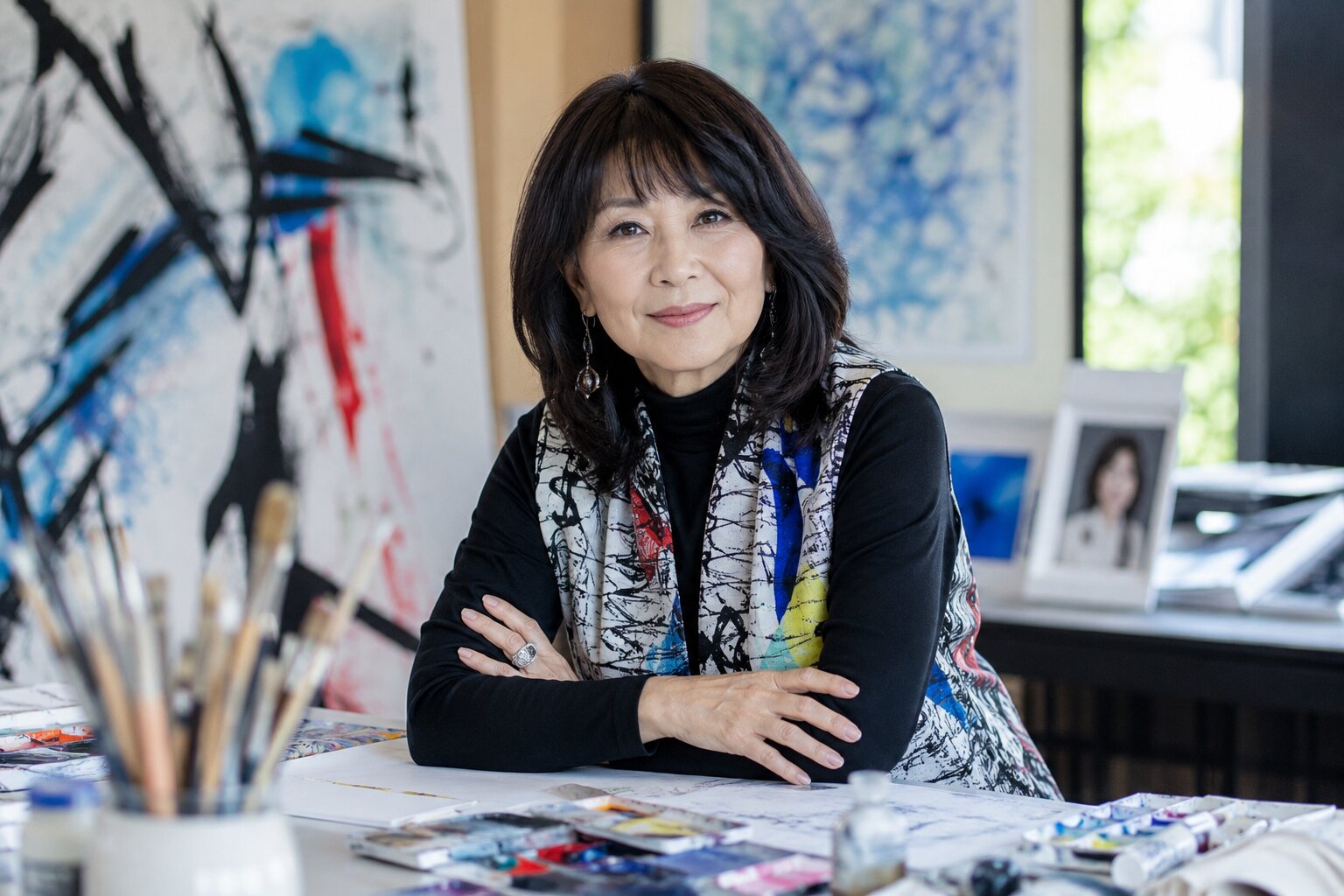
The Early Background of Keiko Fujimoto
Long before corporate tech dramas unfolded, Keiko Fujimoto cultivated her unique identity in Japan. She was surrounded by traditional and modern Japanese art during her childhood. Her youthful perspective on the world was greatly shaped by this culture. As a young artist, she tried out a number of methods. She decided to take her talents abroad at last.
It takes a lot of courage and determination to cross the globe. She moved to the U.S. to broaden her creative horizons. She decided to make San Francisco her new home base. The city provides a booming base for the independent creators. She set up her studio and started to engage with other art galleries in the area. In her early career she used traditional Japanese aesthetics and modern American themes. Her bold application of color and texture was highly appreciated by the critics. She soon gained a loyal small group of art collectors in California. This travel lifestyle blog has stories of creative growth, similar to this. She did work in the SOMA Art Studio for exhibitions. Her work was much exhibited by local curators.
She developed her technical skills for long hours. She tried out mixed media, digital composition and rotoscoping techniques. With her artistic versatility, she was able to work on independent film work. In the early 2000s, her original artwork was used in films. Her commitment to her art informed her life. She avoided commercial mainstream business. Was she not married to the integrity of the local arts community? Her friends were familiar with her as a dedicated and passionate creator. She lived a calm and self-expressive life. She is deeply steeped in the traditions and spirit of innovation.
Marriage and Life in the Dot-Com Era
The late 1990s were a time of significant economic change in San Francisco. The dot-com boom changed the city’s social fabric. The technology startups sprung up all over in just one night. It was an exciting time in which keiko fujimoto met Ramesh “Sunny” Balwani. Balwani was a young software executive with big business aspirations. He had a stint with Lotus Software, Microsoft and a start-up. Later, he co-founded a software development firm named CommerceBid.
The couple wed, and made a home in San Francisco in comfort. They married and thus combined two worlds that were very different from one another. Her emphasis was on fine arts and community exhibitions. In the meantime her husband was a man of colossal tech success. In 1999, CommerceBid was sold during the height of the dot-com bubble. This was a tech investment bankroll for the family, on the spot. Their daily lives changed after they suddenly became rich. The company was sold for millions of dollars in stock and cash to Commerce One.
The deal catapulted Balwani into the realm of tech-billionaires. They got rich and joined the haves. But the cultural differences between the business and the art world posed some challenges, subtleties, and nuances. She decided to stay away from this competitive technology world. She was more of a quiet woman and liked her art studio. When you’re busy earning lots of money with technology, you may start to feel the strain on your personal relationships.
Her husband worked long hours trading stocks and running portfolios for the company. She kept an eye on the speculation in the tech industry. Some of her private fears were confirmed by the dot-com bubble burst in 2000. When the market crashed, many people lost their fortunes who had overnight become millionaires. However, their household continued to be able to afford food thanks to the sale of stocks on time. Even with monetary security, personal space has increased.
The 2002 Divorce of Keiko Fujimoto
Fast-paced relationships can come with their own set of pressures when it comes to marriage. By the end of the year, the dot-com bubble started to burst. The business world was changing at a rapid pace and personal relationships were under strain. In 2002, Keiko Fujimoto and Ramesh Balwani officially divorced. The legal action was settled in December that year.
The question of the timing of this divorce is of great importance for the modern researchers. Balwani went to China for a language program in the summer of 2002. On that journey, he came across an 18-year-old student named Elizabeth Holmes. The infamous health technology company, Theranos, was later founded by Holmes. It gave Balwani a chance to turn his life around. She was one of the gracious exes of the Theranos era before it had even started. The departure saved her from the mammoth corporate fraud investigation which was to follow years later. She escaped the ferocious publicity that eventually destroyed her ex-husband’s career.
She filed the divorce paperwork in San Francisco County court. She wanted a fresh start in her old existence. Little notice was given to the legal dissolution of this marriage. She didn’t want the attention or the money trouble. She wished to be an independent artist again. She was now obsessively committed to rebuilding her personal life. She moved to a new studio to work on her work. The divorce enabled her to break free from her ex’s corporate aspirations. With this quick legal divorce she salvaged her reputation from any potential future public scandal.
The Quiet Life of Art vs. Corporate Chaos
Once divorced, Keiko Fujimoto opted for complete privacy. She played it down in the corporate spotlight of Silicon Valley. Her ex-husband took over as president and the chief operating officer of Theranos. That company later went under due to criminal fraud allegations. Balwani was later found guilty of several fraud charges in federal court. He was jailed for a long time for his actions.
As the media was occupied with the Theranos trials, she was continuing to pursue her passion in creative endeavors. She declined to do interviews in public, regarding her previous marriage. She was often asked for her views, but never gave them. Instead, she used her art to convey her message. Her work after her divorce had themes of rebirth, independence and resiliency. She showed that it’s possible for one person to live in the midst of chaos without losing themselves. Her life today is a great example of dignity and artistic concentration.
She did not want to be part of all the press coverage of Elizabeth Holmes. Documentaries, books and podcasts dug deep into every facet of Balwani’s career. However, scientists discovered almost no online traces of his first wife. To fend off unwanted Internet traffic, her old website went dark. She did not make the most of her past association with a famous criminal. She rather lived an honest life than sought temporary renown. These quiet years allowed her to develop her art collection. She continued to paint and sketch and to enter into small art exhibitions in the community. She had a close circle of loyal friends who respected her privacy. The greediness of Theranos is very different from her story.
The Enduring Legacy of Keiko Fujimoto
The curiosity of the public about historical events is never ending. The background characters of popular tales are frequently looked for. Keiko Fujimoto’s name brings to mind the fact that people are behind the headlines. She’s not just a footnote in a corporate crime doc. Self-made artist, a lover of craft and a value of her privacy.
It’s a brilliant choice she’s made not to be involved in the media frenzy. She maintained her integrity and her peace of mind. Her work is now regarded by art historians for its intrinsic value. They will not make judgments about her based on her previous relationships. She remains inspiring to those who prefer to live true lives to fame. She’s made it clear that success is all in the control of your story.
She’s a quiet victory of the creative spirit. The value of a technology company sometimes is measured in billions of dollars. Her journey has been a testament to the greater worth of peace of mind. She weathered a marriage of high profile, and a sudden influx of fortune. She left that world with her dignity unscavenged. Her legacy is in the paintings she made, the pivotal decisions she made, her quietness. She continues to represent individual freedom in a public over-exposed society.
Final Thoughts
Overall, Keiko Fujimoto is a fascinating blend of artistry and history. She became a worthwhile artist in Japan in California. Her marriage was early, and she became linked to the volatile dot-com boom. But her successful divorce in 2002 ensured she would not become entangled in the later Theranos corporate mess. She decided against the glitz and glamour of a public life for privacy, creativity and personal dignity. The story of her life is one of the quiet triumphs of art over the loud noise of corporate fraud. She is still a mysterious woman who managed to get a life on her own.
Frequently Asked Questions
Who is Keiko Fujimoto and why do people search for her?
She is a Japanese artist, and was previously married to Ramesh “Sunny” Balwani. She’s being sought by people because her former husband was a central figure in the Theranos corporate fraud scandal. She is often cited in biographies of Silicon Valley’s history.
When did Keiko Fujimoto divorce Ramesh “Sunny” Balwani?
Their divorce was finalized in December 2002. This split came at the beginning of the key events for the Theranos company. The delay gave her a chance to avoid any linkage to the subsequent criminal trial.
Did Keiko Fujimoto have any involvement with the Theranos company?
No, she was not involved with Theranos at all. She had divorced her ex-husband years ago before he became a part of the fraudulent health tech company. Her name never was used in any corporate documents or presentations to investors about the company.
What type of art does Keiko Fujimoto create?
She is a fine artist who is a fusion of Japanese and American art. Her main interests are in paintings, mixed media gallery exhibits, and rotoscoping projects. Her work was exhibited independent of the gallery in the San Francisco Bay Area.
Where does Keiko Fujimoto live today?
To maintain her personal peace she does not reveal her present whereabouts to anyone. She deliberately steers clear of the press, preferring to concentrate solely on her art career. She has no public social media presence or does not grant interviews with the media.